The Cedar Key Gag Grouper Puzzle
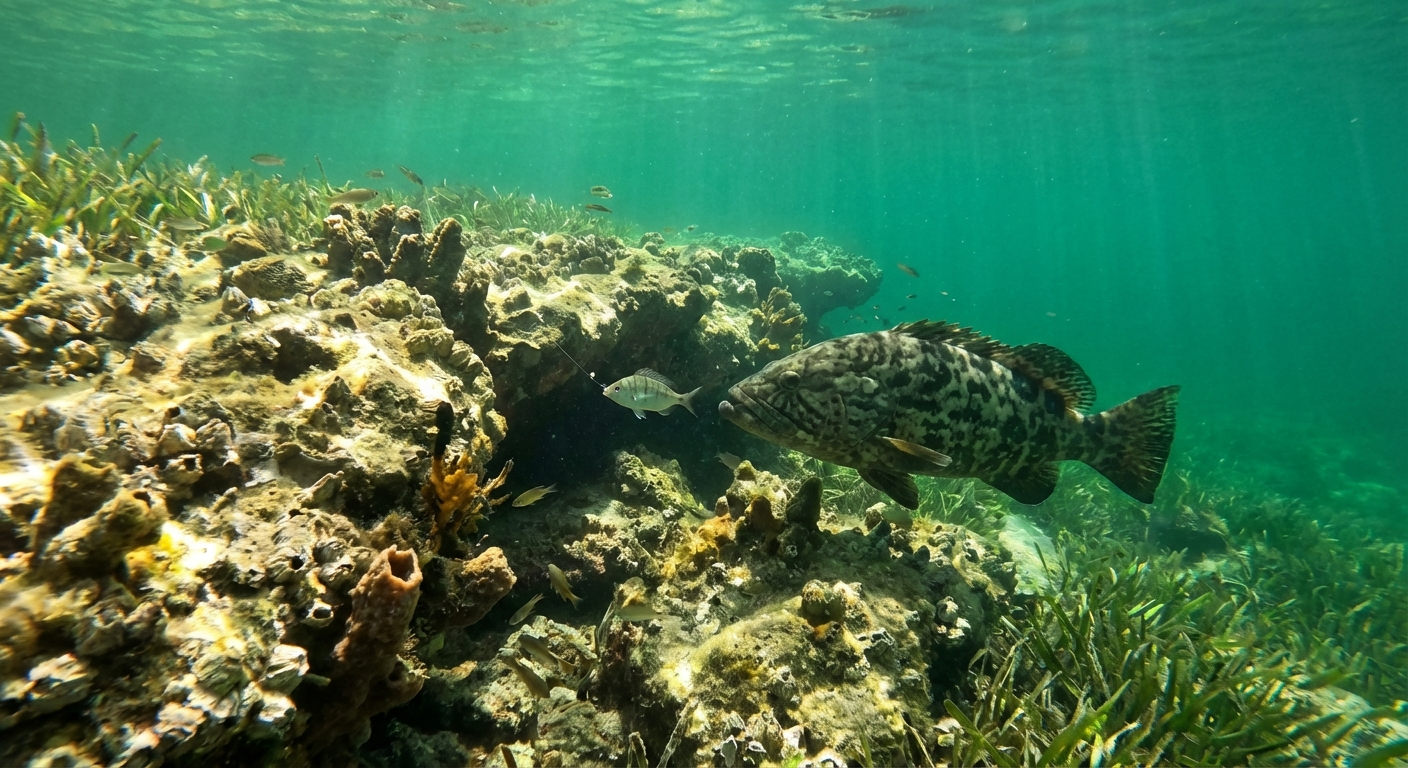
Cedar Key, Florida, is a special corner of the Gulf Coast. Its shallow, winding channels and vast grass flats are famous for redfish and speckled trout. But just a few miles from shore, a different game unfolds. A network of subtle limestone ledges and rocky outcroppings holds one of the most prized predators in the Gulf: the gag grouper. For anglers accustomed to long offshore runs, the idea of targeting these powerful fish in relatively shallow water, sometimes less than 25 feet deep, is a revelation.
This is not a numbers game. It is a calculated hunt for a world class fish. The nearshore gag fishery is a test of preparation, patience, and execution. When the conditions align and a legal gag comes over the rail, the sense of accomplishment is immense. This is a fishery that rewards attention to detail, from catching the right bait to understanding the nuances of the tide.
Unlike deep water grouper fishing, which often relies on heavy lead and brute force, the nearshore game is more of a finesse challenge. It requires a precise understanding of the bottom, a stealthy approach, and the ability to present a lively bait naturally. The captains who have this fishery dialed in are masters of their craft, blending local knowledge with a deep understanding of fish behavior. They know that the biggest fish are often found on the smallest, most overlooked pieces of structure.
Gearing Up for a Shallow Water Slugfest
Tackle for nearshore grouper needs to be a balance of casting ability and stopping power. You are often making targeted pitches to specific pieces of structure, but once a big gag is hooked, you have to turn its head before it can get back into the rock and break you off. There is no room for error.
A heavy action 7 to 7'6" spinning or conventional rod is the tool of choice. Pair it with a high quality reel with a robust drag system. For spinning reels, a 6000 to 8000 series is appropriate. For conventional reels, something in the 20 to 30 class is ideal. Spool up with 40 to 60 pound braided line. The no stretch properties of braid are critical for feeling the bottom, detecting subtle bites, and getting a solid hookset.
Your leader is arguably the most critical component. A 4 to 6 foot section of 60 to 80 pound fluorocarbon is standard. The abrasion resistance of fluorocarbon is essential when a fish is digging for the rocks. Attach the leader to your main line with a proven knot like an FG knot or a double uni knot. At the business end, a 5/0 to 7/0 circle hook is the only choice. Circle hooks are not only required for reef fish in the Gulf, they are also incredibly effective at hooking fish in the corner of the mouth, which is essential for a successful release.
The Pinfish Connection: Bait is Everything
While gag grouper will eat a variety of baits, live pinfish are the undisputed king in the Cedar Key area. These hardy baitfish are a natural part of the gag's diet, and their frantic vibrations when a predator is near are irresistible. Having a livewell full of healthy, frisky pinfish is the first step to a successful day.
You can catch your own pinfish around the inshore grass flats and channel edges using small hooks tipped with shrimp or squid. A cast net can also be effective if you can locate a school of pinfish over open bottom. Pay attention to size. A 4 to 6 inch pinfish is the sweet spot. Too small, and you will be picked apart by grunts and other reef fish. Too large, and you will limit your bites.
Hook the pinfish through the back, just behind the dorsal fin. This allows the bait to swim naturally and stay lively for a longer period of time. Some anglers prefer to hook them through the nose, which can be effective for a slower drift or when anchored. Experiment with both to see what the fish prefer on a given day.
Reading the Tides and Weather
The best time to target nearshore gag grouper is during the fall and winter months. As the water cools, the larger fish move into the shallower structures to feed. The bite can be good all day, but the periods around the tide changes are often the most productive. A moving tide is essential for getting the fish to feed.
A slow to moderate tide is ideal. Too much current can make it difficult to present your bait effectively and hold your position. Not enough current, and the fish can be lethargic. Look for days with a tidal swing of 1 to 3 feet. The hour before and after the tide change is often the prime window.
Weather is another critical factor. A light to moderate wind is your friend. It allows you to set up a controlled drift over the structure, which is the most effective way to cover ground and find active fish. A slick calm day can make the fish spooky, while a heavy wind can make boat control and bait presentation nearly impossible. Pay close attention to the forecast, and look for those stable weather windows.
The Art of the Drift
The most effective way to fish the nearshore ledges is by drifting. This allows you to present your bait to a wider area and locate the most productive spots. The key is to set up your drift so that your bait is presented naturally to the fish holding on the structure.
Start by motoring upwind and uptide of the ledge you want to fish. Use your GPS and bottom machine to get a clear picture of the structure. Make a note of the depth changes and any specific pieces of rock that look promising. Cut your engine well before you get to the spot to avoid spooking the fish.
Deploy your baits and let them sink to the bottom. You want to use just enough weight to keep your line as vertical as possible. A 1 to 3 ounce egg sinker above a swivel is a good starting point. The goal is to have your bait swimming just a few feet off the bottom, right in the strike zone. As you drift over the ledge, pay close attention to your line. You should feel your weight ticking along the bottom.
When you get a bite, it can be subtle or aggressive. Sometimes it's a slight tap, other times it's a hard thump. When you feel the bite, resist the urge to set the hook in a traditional way. Instead, simply start reeling. The circle hook will do the work, and you will come tight on the fish. Once you are hooked up, the fight is on. Keep the pressure on and try to turn the fish's head away from the structure.
Common Mistakes to Avoid
* **Not Enough Leader:** Using a leader that is too light or too short is a recipe for disaster. Gags are notorious for running into the rocks, and a light leader will not stand up to the abrasion. * **Wrong Bait:** While gags can be caught on other baits, live pinfish are the most consistent producer. Do not leave the dock without a full livewell. * **Sloppy Boat Control:** Crashing over a spot with the engine running is a surefire way to shut down the bite. Be stealthy and use the wind and tide to your advantage. * **Incorrect Drag Setting:** A drag that is too loose will allow a fish to get back into the structure. A drag that is too tight can pull the hook or break your line. Find the right balance and be prepared to adjust it during the fight.
Local captain judgment
These tactics describe what we usually see work in this fishery. They are useful guidelines, not instructions for every boat and every day. Your charter captain knows that zone, that structure, and that day’s fish behavior better than anyone. Follow your captain’s recommendation on tackle, bait size, drift setup, and when to change the plan.
Safety and Regulations
Always check the latest fishing regulations before you go. The rules for gag grouper, including size limits, bag limits, and season dates, can change. The Florida Fish and Wildlife Conservation Commission (FWC) is the best source for up to date information.
Pay close attention to the weather. The Gulf of Mexico can be unpredictable, and conditions can change quickly. File a float plan with someone on shore and make sure you have all the necessary safety equipment on board, including a VHF radio, life jackets, and a first aid kit.
This is a fishery that demands respect, both for the fish and the environment. Handle the fish you catch with care, and release the undersized ones quickly to ensure their survival. By being a responsible angler, you can help to preserve this incredible fishery for generations to come.