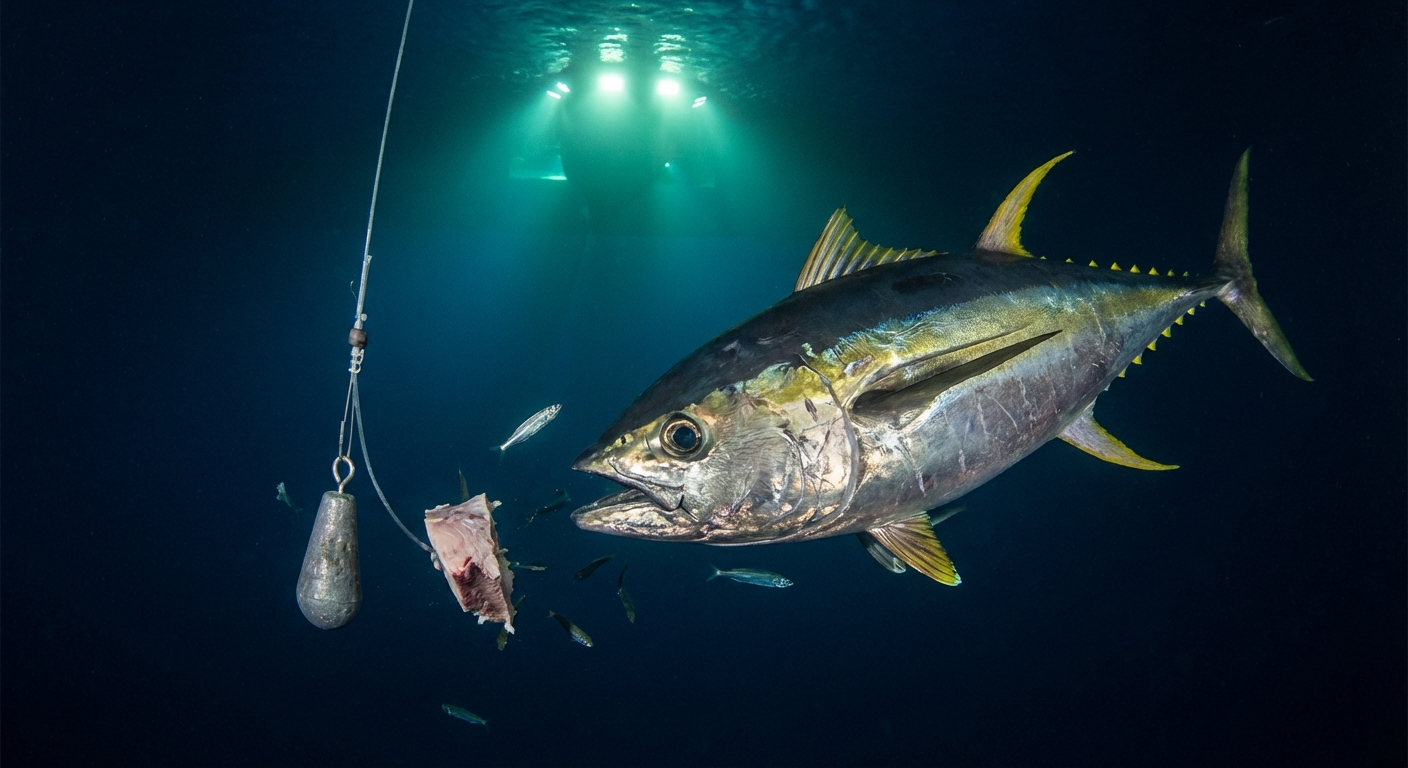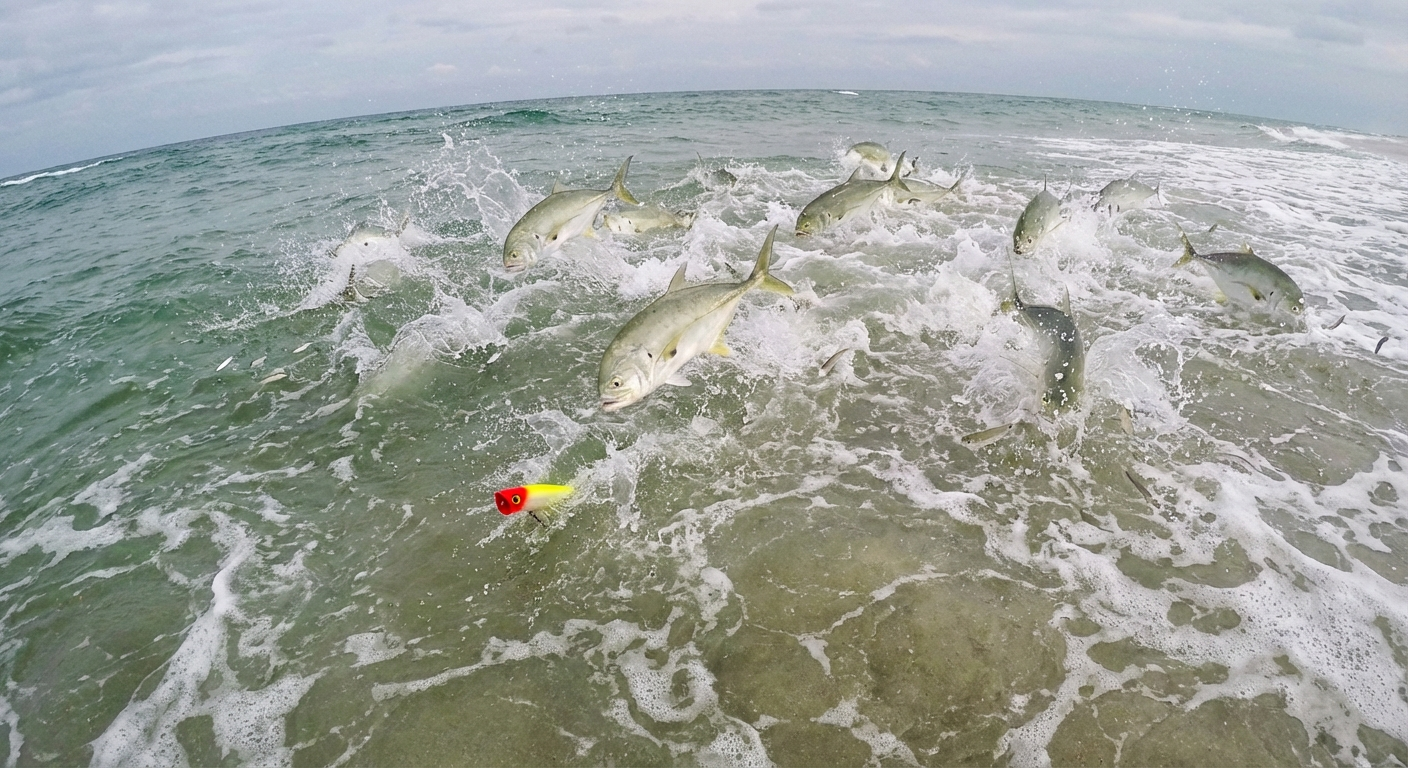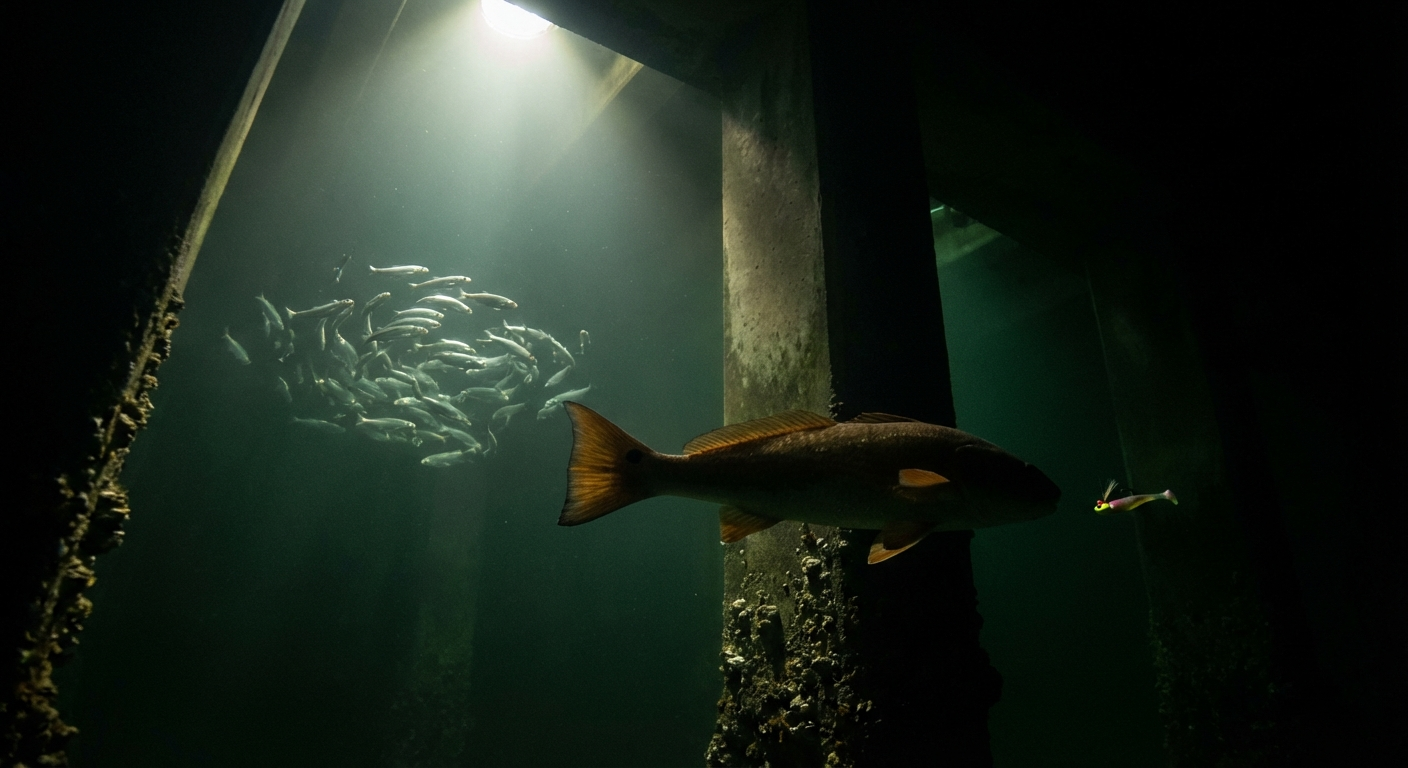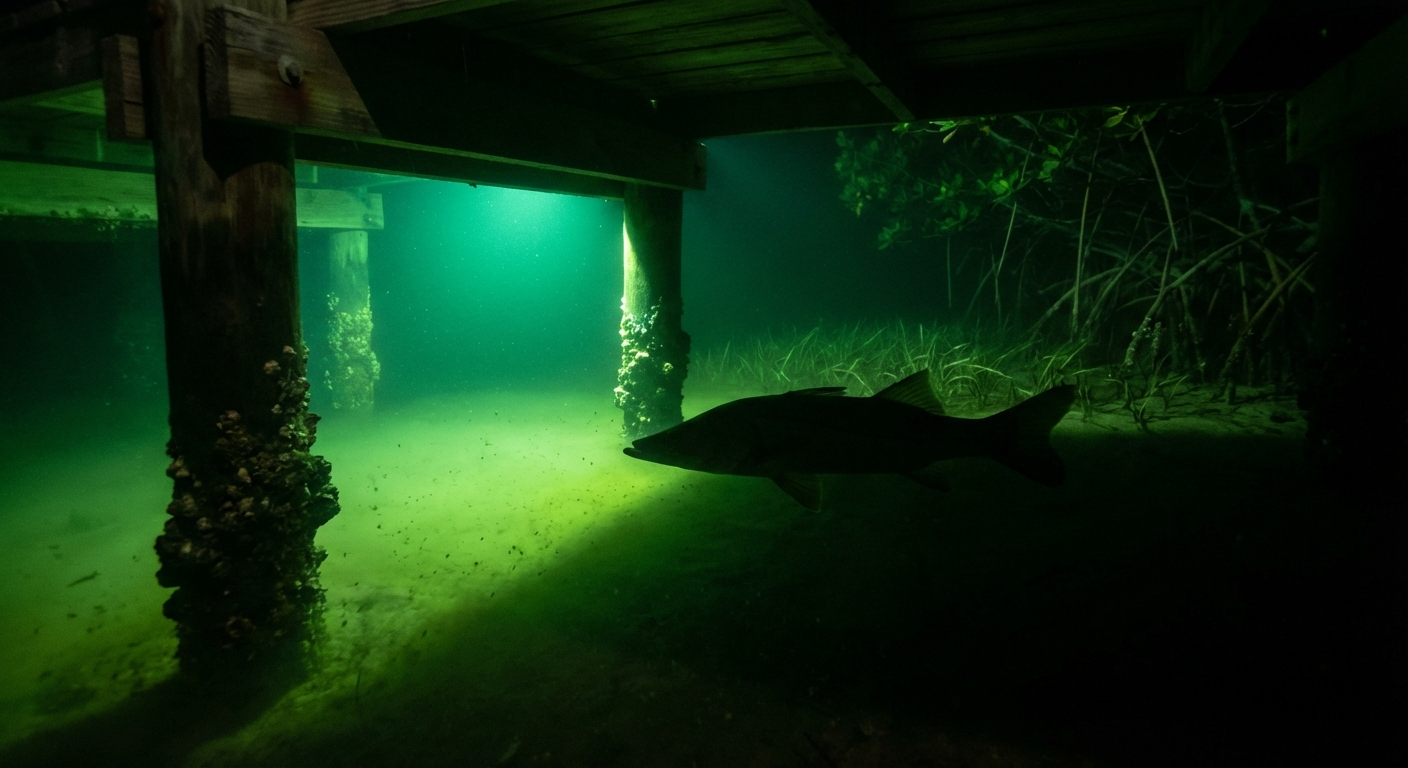
If you are standing on a dock or pier in Tampa Bay at night, snook fishing can be incredibly consistent when you stop casting at random and start fishing the light seams on purpose. You do not need a boat for this pattern. In many areas, the strongest bites happen where bank anglers can reach active fish with good cast angles and clean line control.
Dock lights create feeding lanes. Bait gathers in the light, and snook sit where dark water meets bright water so they can ambush. Your job is to present a bait that crosses that edge naturally without spooking fish.
This article is written for anglers fishing from docks and piers on foot.
Why this works from shore
Snook around lights are structure fish with a routine. They hold where they can strike and retreat quickly:
- edge of the light cone
- current-facing side of pilings
- shade pockets between neighboring lights
That behavior makes them reachable from fixed platforms when your cast angle matches current flow. You are not trying to bomb casts to the center. You are trying to cross the seam at the level fish are using.
Best conditions for dock and pier snook
This pattern improves when:
- tide is moving, especially when bait is swept through light lanes
- water has decent clarity so fish can silhouette prey
- wind is manageable enough for line control from elevated structure
- boat wake pressure is moderate, not nonstop heavy traffic
Slack tide can still produce, but fish are usually tighter to pilings and more selective.
Gear for land-based control
You need enough strength to turn fish away from structure and enough finesse to present naturally.
Rod and reel - 7' to 7'6" medium-heavy spinning rod - 3000 to 4000 reel with smooth drag
Line and leader - 15 to 20 lb braid for distance and sensitivity - 25 to 40 lb fluorocarbon leader depending on structure and water clarity
Core lures and bait - 3 to 5 inch paddle tail on light jighead - weightless or lightly weighted jerk shad - live pilchard or threadfin where legal and available
Terminal notes - keep hook points sharp - keep knots compact for long casts - check leader for abrasion after every fish or piling rub
Where to stand and where to cast
Position is everything on foot.
From a dock or pier, prioritize spots where you can cast across current, not only with it. Cross-current angles keep your lure in the seam longer and improve strike quality.
High-percentage casts: - beyond the light edge, then retrieve through seam - quartering-current through the dark-to-light transition - short precision casts to piling shadows during stronger flow
Low-percentage casts: - repeatedly throwing straight into the brightest center - long casts that drag line through multiple pilings
Presentation mechanics from fixed structure
You cannot reposition like a boat, so lure control matters more.
Paddle tail seam swim - cast beyond lane - let lure sink to target depth - steady retrieve with just enough speed to keep tail kicking - pause briefly at shadow edge
Jerk shad drop trigger - skip or soft-land near seam - two short twitches - controlled slack fall - strikes often happen on the drop
Live bait drift from dock - nose hook lively bait - free-line with minimal weight - feed line slowly to keep bait natural in current lane
Hook and fight - sweep set once you feel weight - pull fish away from pilings early - keep rod angle low enough to avoid high-stick breaks from elevated platforms
Pier-specific fish handling
Landing fish from height requires planning.
- keep a pier net or drop net ready before first cast
- do not swing larger snook over railing on light line
- coordinate with nearby anglers before lifting fish
- release fish quickly with minimal deck contact
Good handling protects fish and prevents line-break chaos around crowded rails.
Common mistakes from docks and piers
Casting only into bright water - seam fish are often higher percentage
Standing in bad angle positions - one or two steps can change your whole drift lane
Leader mismatch - too heavy can reduce bites in clean water - too light gets cut on structure
Rushing hookset on explosion - wait for weight, then sweep
No landing plan - lost fish at rail are common when net is not ready
Overstaying dead lights - rotate spots if no follows after quality presentations
Safety and regulations
Night dock and pier fishing is productive, but stay disciplined.
- watch footing, slime, and wet boards
- keep hooks and pliers organized to avoid accidents
- maintain awareness of other anglers during long casts
- monitor weather and lightning continuously
Regulations can change by season and management updates. Verify current snook seasons, slot, and local area rules day-of via official state sources and a current rules app before retaining fish.
Also confirm site-specific rules for the dock or pier you are fishing, including access hours, bait restrictions, and landing-net requirements.
Closing approach
Tampa Bay snook from docks and piers is a real, repeatable pattern for land-based anglers when you focus on seam fishing instead of random casting. Read current, control your angle, present cleanly, and have a landing plan before the bite starts.
Do those things consistently, and you can fish this pattern effectively without ever stepping onto a boat.