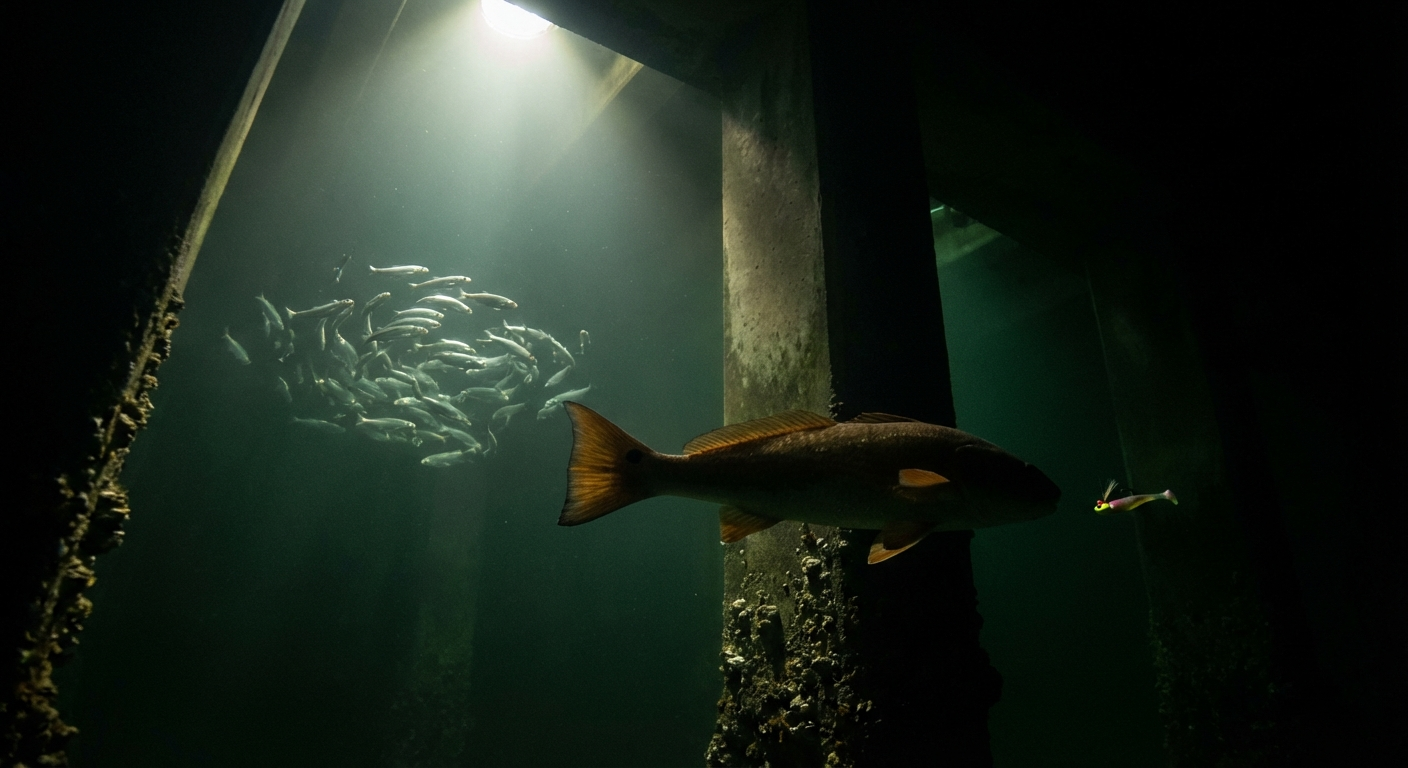
Redfish around Pensacola Bay bridges fish like gate guards. They hold in shade and current breaks until mullet, pinfish, or shrimp slides into the seam, then they crush it and make a hard, short run. Most anglers miss these fish because they move too fast, slap the boat around, or cast without a plan. The better approach is controlled positioning, tight line management, and quiet boat handling so the pilings never sound like a construction site.
Your charter captain’s instincts matter because they live inside the local rhythm. They know which span is getting the cleanest tide pulse, which side of a piling has the better eddy, and which areas are better left alone because of debris, traffic, or the wrong angle on the wind. When they change the drift line or reposition the boat, let that call lead your casts.
Why bridges hold fish
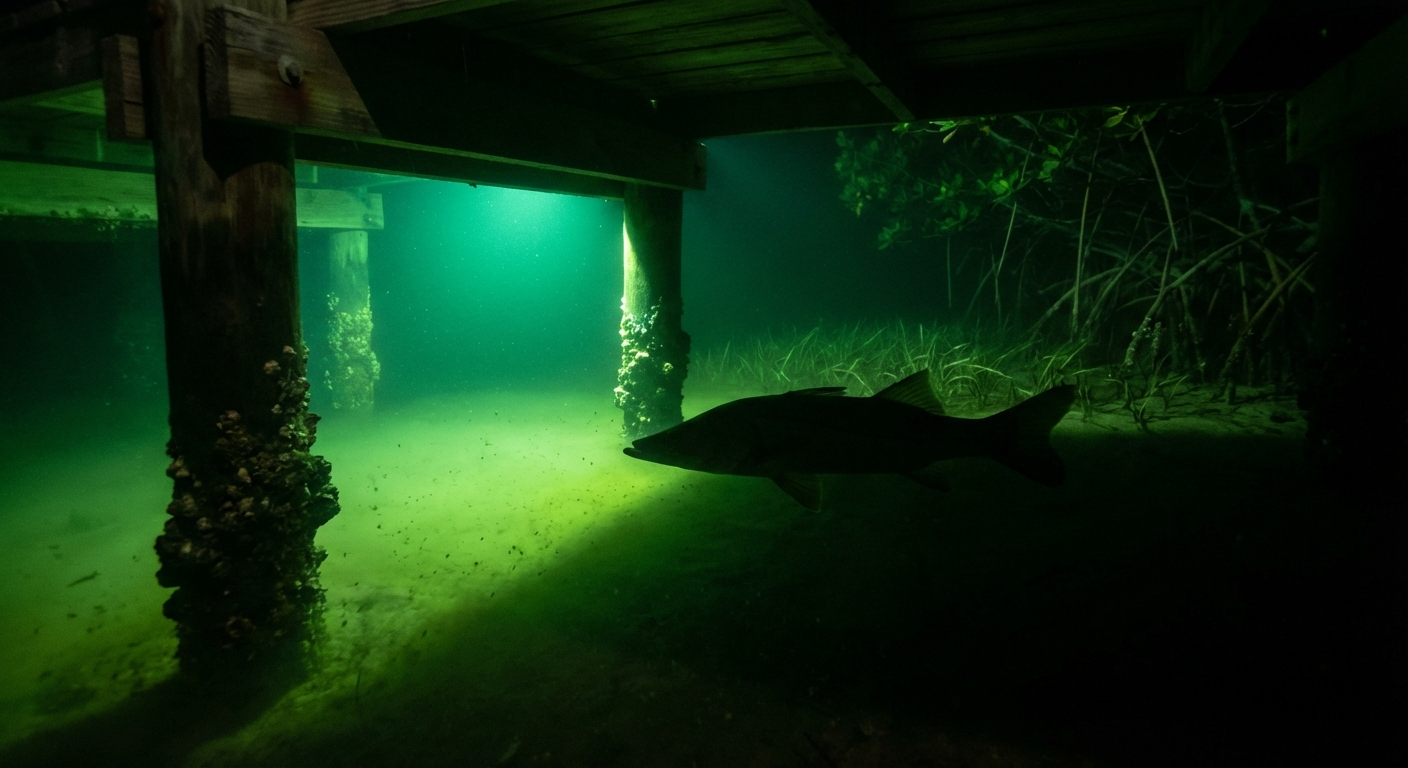
Bridges concentrate current and create predictable structure. Each piling makes a soft pocket and a hard seam. Redfish use the pocket to rest and the seam to feed, sliding out when bait drifts past, then slipping back into cover. The best lanes are usually:
- the down-current pocket behind a piling, where bait stalls for a moment before dropping deeper
- the shadow edge just inside the current seam, where fish can ambush without committing to open water
- small channel swings and overlap zones where adjacent spans create competing eddies
Your job is simple. Put the bait in the seam and let the current do the work. If there is no current, these spots often fish slow. Move to a better tide window or a different span instead of forcing it.
Gear that keeps it consistent
You need enough backbone to turn a fish away from concrete, plus an accurate rod tip for tight casts.
- Rod: 7-foot medium or medium-heavy spinning rod with a fast tip for precision casting and quick control.
- Reel: 2500 to 3000 spinning reel with a smooth drag and enough capacity to handle repeated runs.
- Line: 15 to 20 lb braid for sensitivity and long casts.
- Leader: 25 to 30 lb fluorocarbon, 3 to 6 feet long for abrasion resistance and quick re-ties.
- Lures: 3 to 4-inch soft plastics on 1/4 to 3/8-ounce jigheads, unweighted or lightly weighted plastics for slow falls in calmer pockets, and a heavy spoon for deeper lanes and faster water.
Keep hook points sharp. Around bridge concrete, a slightly rolled point can turn clean bites into missed fish.
Presentation and boat work
The pattern is boat position first, lure second. If the boat drifts out of the seam, the lure follows and the bite shuts off.
Approach with the tide. Your captain will choose whether to drift, spot-lock, or anchor and pivot, depending on wind and traffic. Once you are set, cast so the lure lands up-current of your target lane and sweeps naturally through the seam.
A reliable cadence looks like this:
1. Cast into the seam and let the lure sink until it reaches the lane depth. Keep light tension so you can detect the first tick. 2. Work short, controlled lifts and slow turns of the handle to keep the bait moving without grinding into the piling. 3. Pause briefly as the bait drops. Many redfish eat on the fall or as the lure slows in the pocket. 4. When you feel weight, sweep the rod and keep steady pressure. These bites are violent, but the window is short.
If current increases, bump up jig weight or switch to the spoon so you stay in the lane. If current weakens, lighten up and slow the fall so the bait hangs longer in the shadow edge.
Mixed species that show up
Bridge seams rarely belong to one fish.
- Speckled trout often hold in the same soft pockets and will eat the same plastics when the drift is slow.
- Sheepshead stack on concrete and pick at baits with rapid taps. If you feel machine-gun bites, slow down and be ready for a heavier thump.
- Black drum and flounder can show up along the bottom lane, especially when you keep the lure near the edge of the pocket.
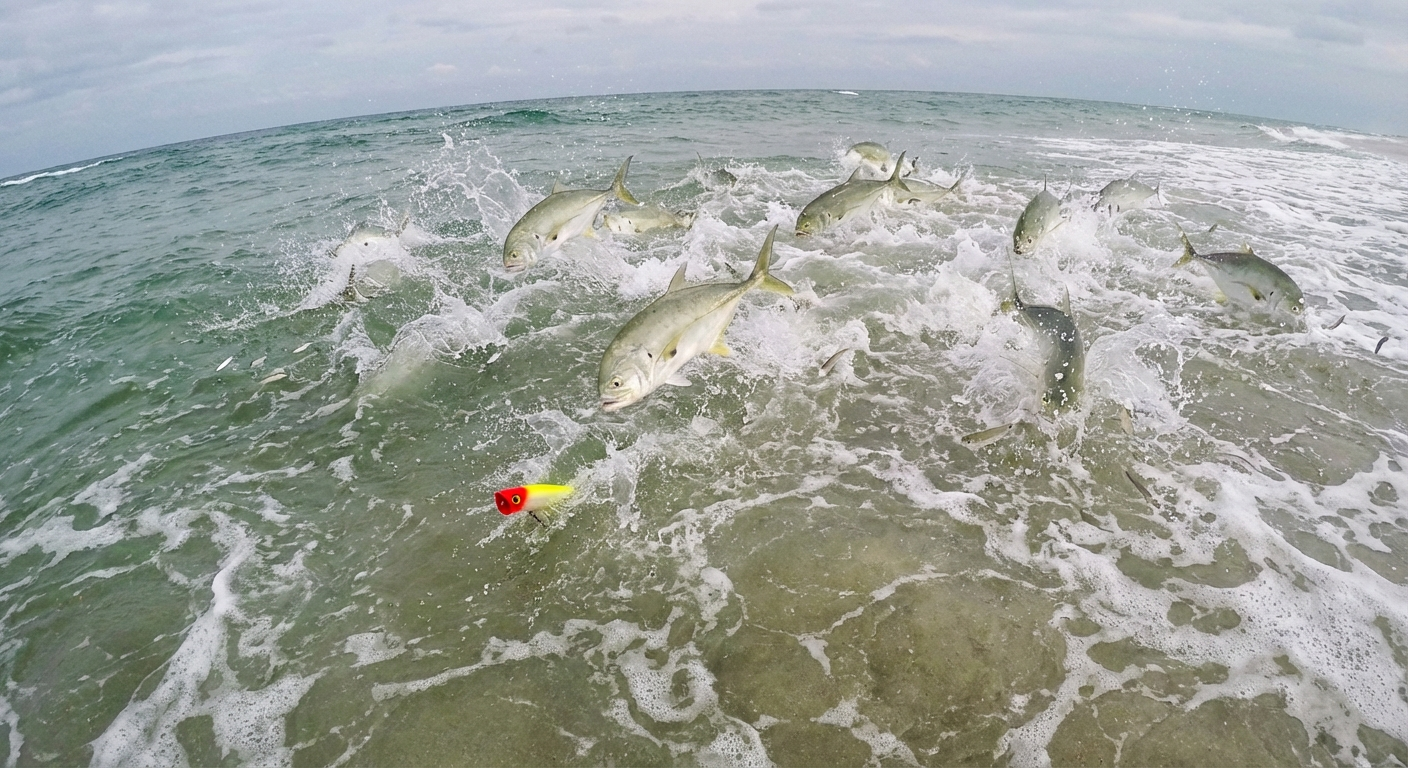
- Small jacks and Spanish mackerel may blitz through, especially near open water ends of the bridge.
Use the mixed bite as feedback. If trout are pecking, slow your retrieve. If sheepshead are tapping, tighten your lane control and keep the bait closer to the structure without snagging it.
Common mistakes that dry the game
- Running the boat too close to the pilings. One hard bump or prop wash can push fish out of the pocket.
- Fishing with too much belly in the line. Keep slack minimal so you feel the pickup and can set quickly.
- Repeating the same drift long after the seam moves. Tide angles change, adjust with them.
- Going too light on leader around concrete and barnacles. Clear water matters, but abrasion ends more fights than fish do.
- Neglecting knots. Bridge fish expose weak knots fast. Re-tie when you nick leader or after a couple hard fish.
Safety and regulations
Bridges demand situational awareness. Respect other anglers’ drift lanes, keep your deck clear, and do not crowd navigation lanes. Watch for sudden wind shifts and heavy traffic, and never let a hooked fish pull you into a piling or toward another boat.
Always verify current Florida regulations before keeping fish. Redfish rules are regional and include slot size and daily bag limits, and adjacent inshore species like trout or snook may have different rules or seasonal closures. Use FWC and a current rules app for day-of confirmation.
Closing angle
Pensacola Bay bridge redfish are a positioning game. Keep the boat quiet, put the lure into the seam, and manage line tension so the bait sweeps naturally through the shadow edge. When you do it right, the strike is unmistakable and the first run is pure torque, short, violent, and close to structure.