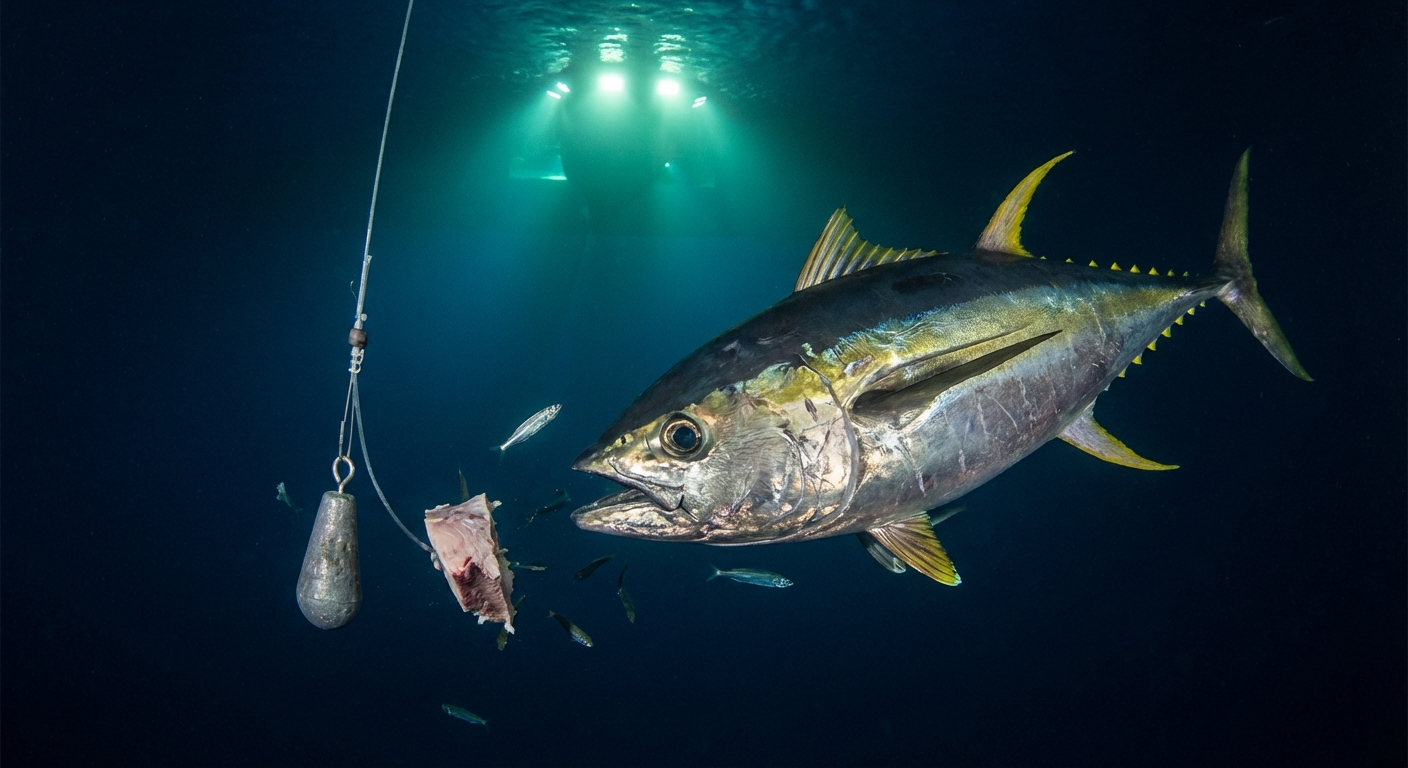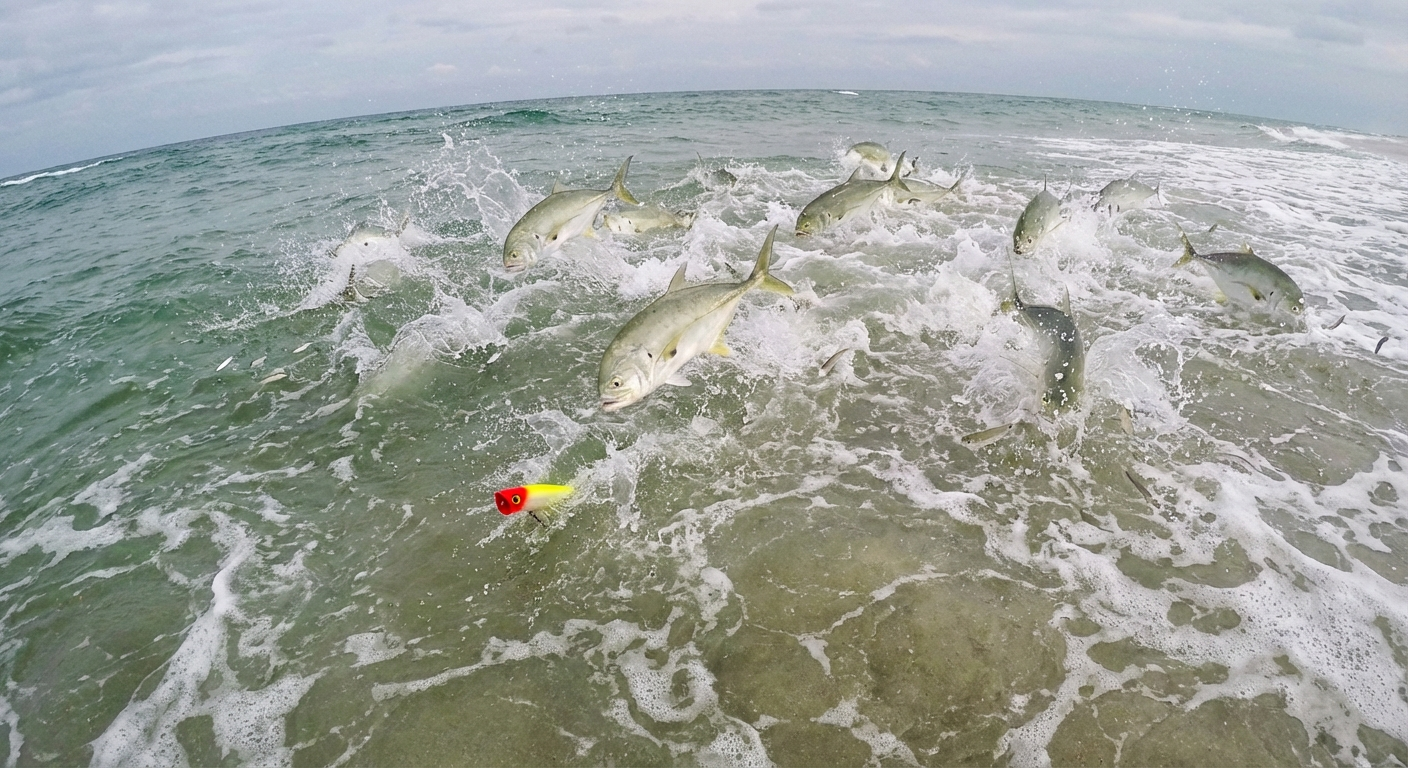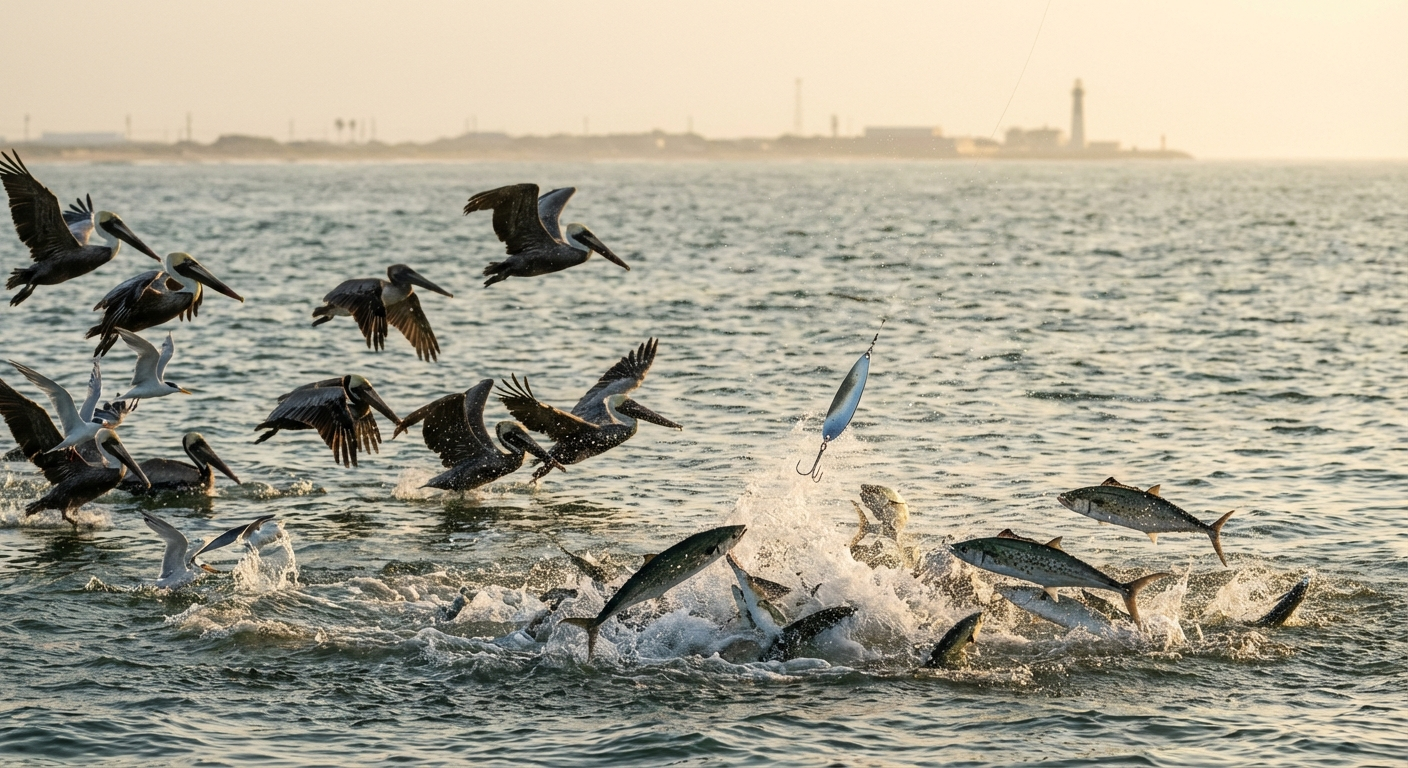
The Texas coast offers a rich variety of angling experiences, but few are as visually exciting and fast paced as targeting Spanish mackerel in the waters around Corpus Christi. When these streamlined predators crash bait on the surface, the action is explosive. For anglers looking to connect with this reliable summer and fall fishery, one lure stands out for its consistent ability to trigger aggressive strikes: the Gotcha plug. Its simple design and erratic action perfectly imitate the frantic baitfish that Spanish mackerel hunt down with incredible speed.
This guide provides a practical blueprint for successfully using Gotcha plugs. We will cover the right gear, effective locations, precise techniques, and common mistakes to avoid. While these patterns are proven, remember that local conditions change daily. The area's charter captains possess a deep understanding of these shifts and their on-water decisions are based on years of direct experience.
Gearing Up for Speed
Spanish mackerel are not tackle busters, but their blistering first run demands a balanced setup. Using gear that is too heavy will reduce casting distance and rob you of the thrill, while going too light risks break-offs.
A 7-foot spinning rod with a medium-light or medium power and a fast action tip is the ideal tool. This provides the backbone to handle the fish and the sensitivity to work the lure effectively. Pair it with a 3000 to 4000 series spinning reel with a smooth, reliable drag system. The drag is critical for absorbing the mackerel’s high speed runs.
Spool the reel with 15 to 20 pound braided line. Braid offers superior casting distance and has almost no stretch, which allows for a direct connection to the lure and instant hook sets. The fight, however, happens at the leader. Spanish mackerel have exceptionally sharp teeth that can slice through monofilament or fluorocarbon with ease. A 12 to 18 inch leader is essential. You have two primary choices: 30 to 40 pound fluorocarbon or a light, single strand wire leader. Fluorocarbon is less visible in clear water but can still get severed. Wire is more durable but can sometimes deter picky fish. A good strategy is to start with fluorocarbon and switch to wire if you experience frequent cut-offs.
The Gotcha plug itself comes in various colors and weights. Classic color combinations like red and white or chrome with a chartreuse head are excellent starting points. It is wise to carry a few different weights, typically from 1/2 to 1 ounce, to adapt to casting distance requirements and water depth.
Locating Mackerel Hotspots
In Corpus Christi, Spanish mackerel follow the bait. Finding them is a matter of knowing where baitfish congregate. The jetties at Port Aransas, the edges of the main shipping channel, and nearshore oil and gas platforms are all prime areas.
The most reliable sign of mackerel is bird activity. Terns and gulls diving repeatedly into the water are almost always a signal that game fish are pushing bait to the surface. Look for panicked baitfish skipping across the water or the subtle shimmer of a tightly packed bait ball just below. Even without visible surface action, these structural areas hold fish.
Tidal movement is a key factor. Moving water concentrates bait, making it easier for predators to feed. An outgoing tide pulling bait from the bays out into the Gulf is a classic feeding trigger, especially along the jetties. Position your boat uptide or upwind of the target zone, allowing you to drift through the area while casting. This search pattern lets you cover significant ground quietly. Pay close attention to your fish finder for schools of bait, even if you do not see surface activity. Spanish mackerel will often hold below these schools, waiting for an opportunity.
The Art of the Retrieve
The effectiveness of a Gotcha plug lies entirely in its cadence. A simple, steady retrieve will rarely work. The goal is to imitate a wounded, fleeing baitfish through an erratic series of sharp movements.
After casting, allow the lure to sink for a few seconds. The depth you target will depend on where you are marking fish or seeing activity. Once at the desired depth, begin the retrieve. Snap the rod tip sharply downward a few times, then pause briefly while reeling in the slack. The movement should be a rhythmic "twitch, twitch, pause, reel." The lure will dart erratically on the twitches and wobble as it falls during the pause.
Most strikes occur during the pause as the lure flutters down. It is critical to vary your cadence until you find what the fish want on a particular day. Sometimes they prefer a fast, aggressive retrieve with minimal pausing. Other times, a slower retrieve with longer pauses gets the bite. Experiment with the speed and the length of the pauses to crack the code.
When you feel a strike, it will be a sharp, powerful jolt. Often, the fish hook themselves due to their speed. A firm reel set, simply reeling down hard while lifting the rod tip, is all that is needed to secure the hook.
Common Mistakes to Avoid
Many anglers struggle with this technique due to a few simple errors. Avoiding them will dramatically increase your catch rate.
* **Using a Slow, Steady Retrieve:** This is the most common mistake. The Gotcha is a jerkbait, not a swimbait. It requires sharp, erratic action from the angler. * **Ignoring Your Leader:** Failing to check your leader for nicks and frays after each catch is a recipe for losing the next fish. Run the line through your fingers; if you feel any roughness, retie immediately. * **Using Too Much Hardware:** Avoid using heavy snaps or swivels directly tied to the lure. A small, high-quality loop knot like a Kreh loop will give the plug the most freedom of movement and a more natural action. * **Poor Boat Positioning:** Drifting too close to the school can spook the fish. Stay a long cast away and work the edges of the activity.
Safety and Regulations
Spanish mackerel require careful handling. Their teeth are razor sharp and can cause serious cuts. Use long-nosed pliers or a dehooking tool to remove the hook, keeping your hands clear of the fish's mouth.
For anglers planning to keep their catch, Spanish mackerel are excellent table fare when cared for properly. They must be bled immediately and put on ice. This results in firm, clean fillets.
Fishing regulations are subject to change. Always consult the most current version of the Texas Parks and Wildlife Department's regulations for the latest information on bag limits, size limits, and other rules. Responsible angling ensures this vibrant fishery remains healthy for future generations.