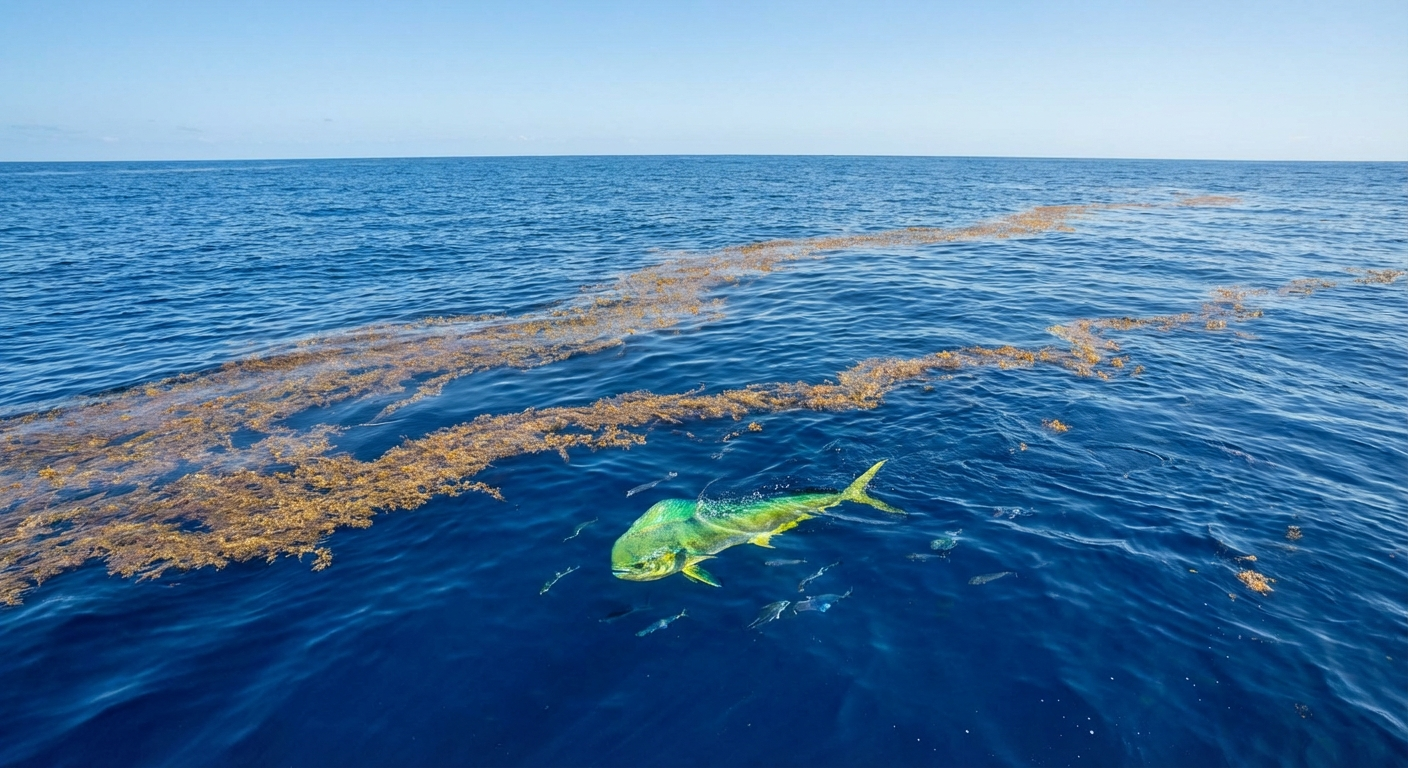
The emerald waters off Destin, Florida, hold a secret language spoken in ribbons of gold and green. For offshore anglers, learning to read the scattered sargassum weed lines is like discovering a treasure map. These floating patches of algae are magnets for life, creating a vibrant ecosystem that draws in one of the Gulf’s most prized gamefish: the mahi-mahi. While many crews troll past these oases, a more dynamic and engaging approach awaits the prepared angler. The run-and-gun casting strategy transforms the hunt into an active pursuit, a visual thrill ride of spotting, casting, and battling these acrobatic fish.
This isn’t about endlessly dragging baits behind the boat. It’s a proactive method that relies on sharp eyes, precise boat handling, and accurate casting. The core idea is to move quickly from one promising weed patch to another, scanning for signs of life, and making targeted presentations to visible fish or productive-looking structure. It’s an approach that demands attention and rewards it with explosive, close-quarters action.
Gearing Up for the Chase
Success in this game begins with balanced tackle that differs significantly from a standard offshore trolling spread. Heavy, broomstick-like rods and massive conventional reels have no place here. You need gear that allows for repeated casting, subtle lure work, and the stamina to fight a powerful fish on lighter line.
A 7-foot to 7-foot-6-inch medium-action spinning rod is the ideal tool. It provides the length for long casts to spooky fish while retaining the backbone needed to turn a sizable mahi. Pair this with a high-quality 4000 or 5000-series spinning reel. A smooth, reliable drag system is non-negotiable. When a large bull mahi decides to run, a jerky drag is the fastest way to a straightened hook or a broken line. Spool your reel with 20 to 30-pound braided line. The thin diameter of braid helps with casting distance and its low-stretch properties provide instant feedback and solid hooksets.
The terminal end of your setup is critical. A 3 to 4-foot section of 30-pound fluorocarbon leader is essential. Mahi-mahi have excellent eyesight, and the near-invisibility of fluorocarbon can make all the difference. Connect your braid to the leader using a reliable knot like a Double Uni or an FG knot. While the FG knot is more streamlined, it can be tricky to tie on a rocking boat. Practice at home until it becomes second nature. A small but strong circle hook is perfect for live bait, while a jig head or a worm hook will be your choice for artificials.
The Tactical Approach: Reading and Reacting
The day begins by heading offshore, searching for the telltale signs of a productive zone. Look for temperature breaks, current rips, and, most importantly, the sargassum itself. A scattered, thin line of weed is okay, but a thick, matted patch with clear water on one side is a prime target. Before you even get to a patch, assign everyone on the boat a job. Someone should be the designated spotter, using polarized sunglasses to scan for the electric blue and yellow flashes of mahi cruising beneath the weeds.
Once you spot a promising patch, the approach is key. Don't charge in with the engine roaring. Cut the motor well up-current or upwind of the patch and use a trolling motor or a controlled drift to close the distance. Silence and a subtle presentation are your allies. As you get closer, start making long casts with your artificial lures.
A soft plastic fluke in a white, silver, or chartreuse color is an excellent search bait. Rigged weightless on a worm hook, it can be skipped across the surface or allowed to slowly sink along the edges of the sargassum. The erratic darting action mimics a fleeing baitfish and can draw aggressive strikes. Small bucktail jigs or diamond jigs also work well, especially when you need to get down a bit deeper if the fish are holding below the main patch. The key is to vary your retrieve until you find what the fish want. Sometimes a fast, jerky retrieve works best; other times, a slow and steady swim is the ticket.
If you have a hookup, the game changes. Mahi are schooling fish. Where there is one, there are almost certainly more. The single most important rule is to keep the first fish in the water near the boat. Its presence will excite the rest of the school and draw them in, creating a frenzy. This is when your crew needs to be ready. Other anglers should immediately cast live baits or jigs into the water near the hooked fish. Often, the entire school will follow, and you can have multiple hookups at once.
Common Mistakes to Avoid
Many anglers new to this style of fishing make a few predictable errors. Understanding them can dramatically increase your success rate.
1. **Driving Over the Weed Line:** This is the cardinal sin. It spooks every fish in the area and can shut down the bite completely. Always approach from a distance and use a stealthy drift. 2. **Ignoring the Small Patches:** While a giant mat of sargassum looks promising, don't overlook smaller, isolated clumps. Sometimes these can hold a large, aggressive bull mahi that has claimed the spot as its own territory. 3. **Using Tackle That is Too Heavy:** As mentioned, this is a casting game. Heavy trolling gear will wear you out and makes it impossible to properly present the smaller baits and lures that often work best. 4. **Not Having a Pitch Bait Ready:** Always have a separate spinning rod rigged and ready with a live bait or a very enticing lure. When a big mahi follows a hooked fish to the boat, you need to be able to get a bait in front of it instantly.
Safety and Regulations
Offshore fishing carries inherent risks. Always check the marine forecast before leaving the dock. Ensure your boat's safety equipment, including life jackets, flares, and a first-aid kit, is up to date and easily accessible. File a float plan with someone ashore so they know where you are going and when you plan to return.
Fishing regulations for federal and state waters can change fast, and published numbers in an article can age out quickly. Before every trip, confirm current rules through official sources like myfwc.com, gulfcouncil.org, NOAA updates, or the Fish Rules app. Sector rules can differ between private and for-hire trips, and local conditions can affect how your day is managed.
If you are on a charter, defer final rule and retention decisions to your captain. A good local captain tracks current openings, limits, and practical compliance details in real time. This guide provides fishing patterns, but your captain should make the final on-water call for both tactics and legal handling.