Seizing the Nearshore Snapper Opportunity
The opening of red snapper season in the Gulf of Mexico creates a special kind of excitement. For many coastal families, it marks the official start of summer and a chance to fill the freezer with delicious, hard fighting fish. The challenge, however, is that federal and state seasons are often short, creating intense pressure on popular fishing spots. This can mean long boat rides to deep water, where conditions can be less than ideal for young or inexperienced anglers.
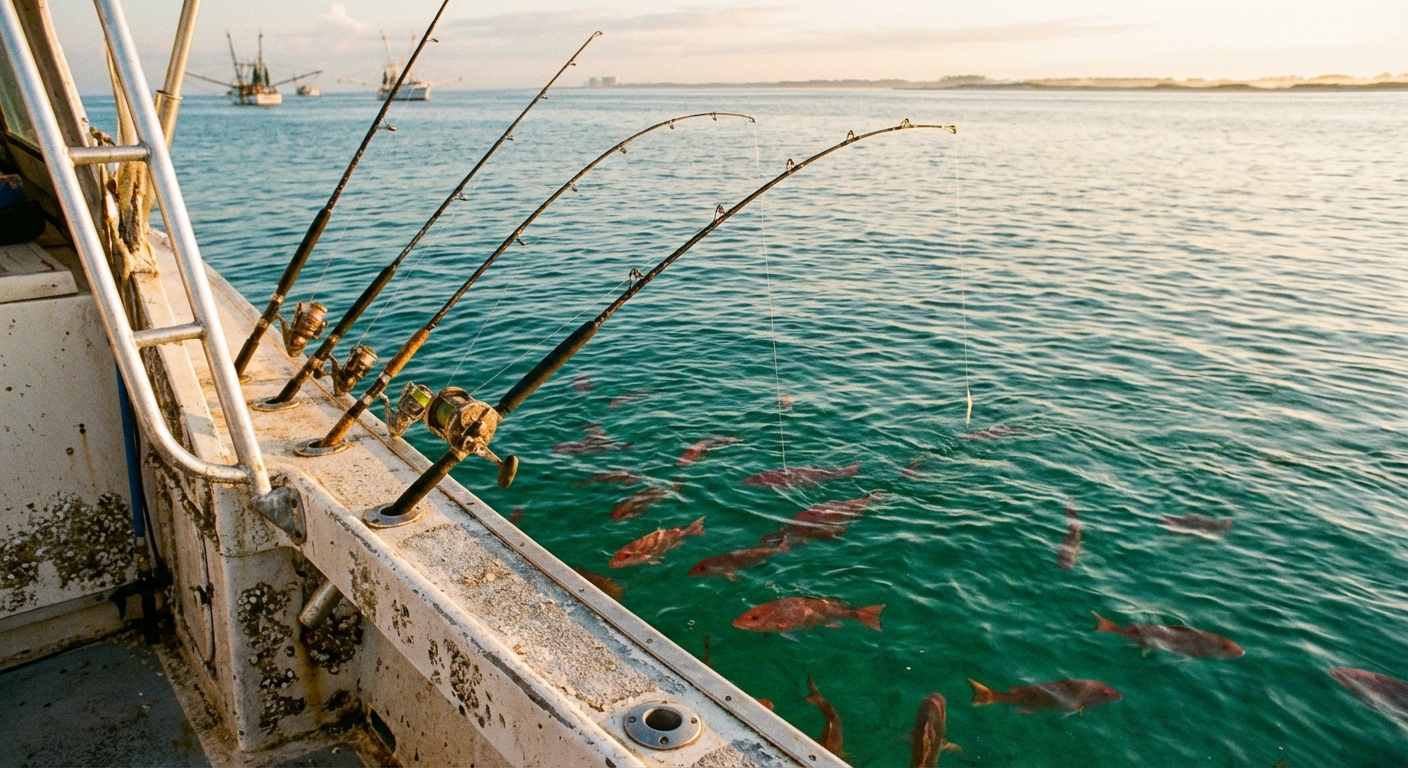
Fortunately, there is a fantastic alternative. In recent years, forward thinking coastal states have invested heavily in building artificial reefs in state waters, much closer to shore. These nearshore reefs, often located just a few miles from the pass, have matured into thriving ecosystems. They now hold impressive populations of red snapper, along with other reef species. This has opened up a wonderful opportunity for families to enjoy world class snapper fishing without the long runs and potential for rough seas associated with traditional offshore trips. A nearshore trip transforms the day from a grueling marathon into an accessible adventure, perfect for introducing the next generation to the sport. It means less time traveling and more time with lines in the water, which is exactly what you want for a successful family outing.
Gearing Up for Nearshore Success
One of the best aspects of nearshore snapper fishing is that you do not need highly specialized, expensive equipment to be successful. The gear is straightforward and manageable for anglers of all sizes and skill levels. Most charter captains will have everything you need, but if you are preparing your own boat, focus on reliability and simplicity.
A medium to medium heavy action rod, typically six to seven feet long, paired with a 30 or 50 size conventional reel is a standard and effective choice. This setup offers the backbone needed to lift a big snapper off the reef while still being light enough for kids to handle. For those more comfortable with spinning gear, a heavy action spinning rod and a 6000 or 8000 series reel is an excellent substitute. Spool your reels with 50 to 80 pound braided line. Braid offers superior sensitivity to feel subtle bites and has zero stretch, which provides powerful hooksets. It is also much thinner than monofilament of the same strength, allowing you to use less weight to hold the bottom.
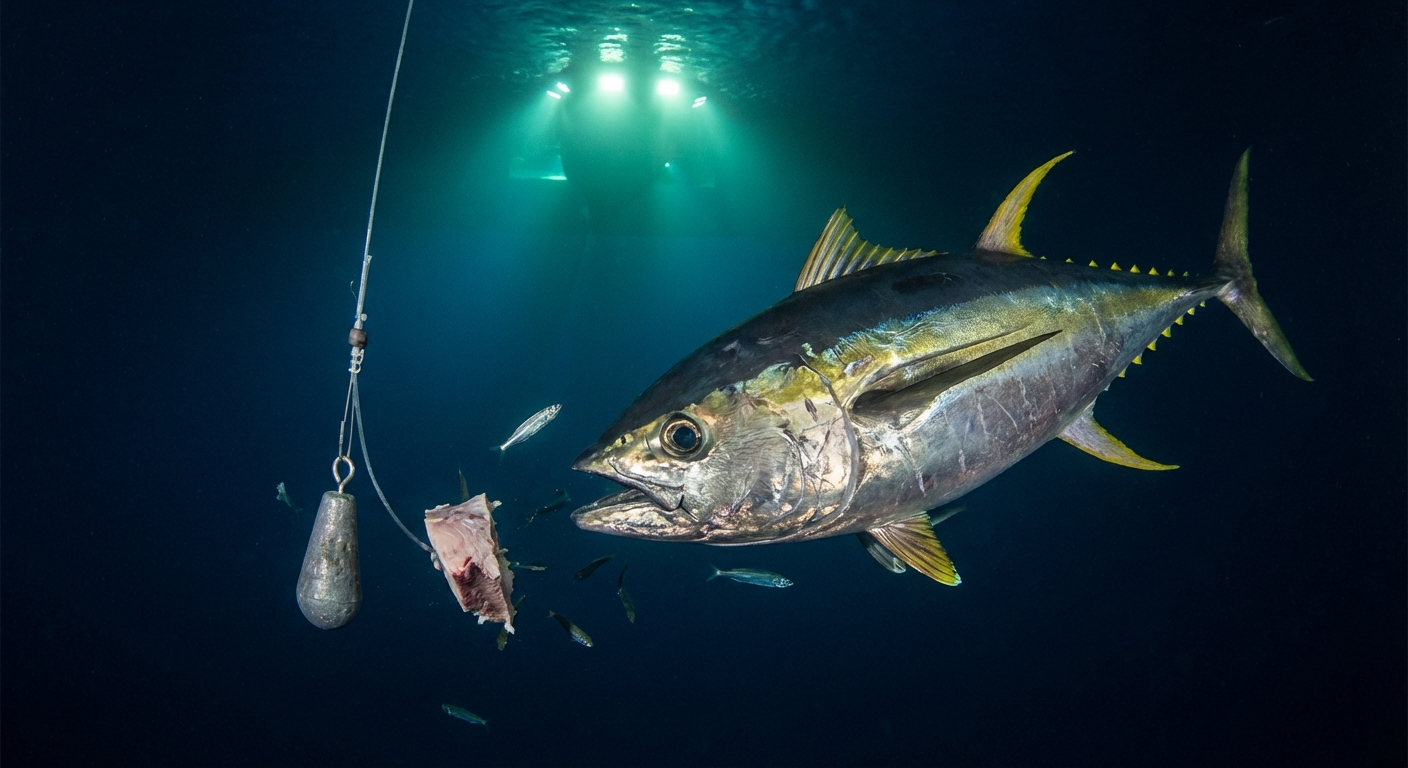
To the main line, you will connect a leader of 80 to 100 pound fluorocarbon or monofilament. A simple and highly effective terminal rig is the Carolina rig. To build it, slide an egg sinker, sized from four to eight ounces depending on the current, onto your main line. Then, tie on a heavy duty swivel. Attach about three to four feet of your leader material to the other end of the swivel, and finish the rig by tying on a 7/0 to 9/0 non stainless steel circle hook. The circle hook is the key to this rig’s success, especially with new anglers. It hooks the fish in the corner of the mouth almost automatically when the line comes tight, eliminating the need for a dramatic, hard hookset.
The Right Bait and Proven Techniques
When it comes to bait, keeping it simple is often the most effective strategy. Frozen cigar minnows, squid, and Spanish sardines are all readily available and excellent choices. A whole cigar minnow or a large strip of squid on your circle hook presents a natural and irresistible meal for a snapper. If you have the time and means to acquire live bait, pinfish or croakers are top tier options that can entice the largest, most cautious snapper on the reef.
Once you arrive at a promising reef, your captain will use the boat’s electronics to pinpoint where the fish are holding on the structure. The goal is to position the boat directly over the fish or slightly up current, allowing your baits to drift down to them naturally. This is where a skilled captain’s expertise is invaluable.
When you get the signal to drop, open the bail or disengage the clutch on your reel and let your rig descend to the bottom. Keep your thumb on the spool to manage the descent and prevent a backlash. When you feel the weight hit the bottom, engage the reel and turn the handle a few times to lift your bait just off the structure. This prevents your rig from getting snagged in the reef. Now, just hold on and wait. The bite of a red snapper can range from a subtle tap to an aggressive, rod bending strike. When you feel the bite, resist the urge to jerk the rod. Instead, simply start reeling firmly and steadily. The circle hook will do its job, and the fight is on. Keep the rod tip up and maintain steady pressure to guide the fish towards the boat.
Common Mistakes to Avoid
While the process is straightforward, a few common errors can lead to missed opportunities or frustrating tangles. Being aware of them can make your day much more productive.
* **Dropping Too Early or Too Late:** Pay close attention to the captain's instruction for when to drop your line. Dropping before the boat is properly positioned over the structure can result in your line being far away from the fish. * **Aggressive Hooksets:** With a circle hook, the classic "grip it and rip it" hookset is not needed. A sharp, upward jerk will often pull the hook right out of the fish's mouth. The proper technique is to simply point the rod tip at the fish and reel quickly. The line tension and the hook's design will secure the hook in the corner of the jaw. * **Poor Bottom Management:** Leaving your weight on the bottom for an extended period is a sure way to get snagged in the reef. After you feel your weight make contact, immediately reel up a few cranks to keep your bait in the strike zone but your sinker out of trouble. * **Ignoring the Current:** On days with strong current, you may need to cast your rig up current from your position to ensure it lands on the target structure. Simply dropping straight down will result in your bait being swept away from the fish.
Safety and Regulations: Fish Smart
A safe and compliant trip is a successful trip. Before you even leave the dock, it is essential to be aware of the current regulations.
Red snapper rules, including size limits, bag limits, and season dates, are subject to change each year and can differ between federal and state waters. Do not rely on old information. The best practice is to check the latest regulations the day of your trip through your state’s fish and wildlife agency website or by using a dedicated mobile app like Fish Rules. These sources provide up to the minute, location specific information.
On the water, always prioritize safety. Ensure everyone on board, especially children, knows where the life jackets are and how to wear them. Stay hydrated and use sun protection, even on cloudy days. When handling fish, be mindful of sharp fins and teeth. A good dehooking tool can make releasing fish much safer and easier for both you and the fish. For fish that must be released, be prepared to treat barotrauma, an injury caused by being brought up from deep water. A descending device or a venting tool is critical for ensuring released fish survive.
Finally, always listen to your captain. They are responsible for the safety of everyone on board and are experts in local conditions and regulations. Their word is the final law on the water. Following their lead will ensure your family has a fun, safe, and memorable day of snapper fishing.