The Brown Shadow of the Emerald Coast
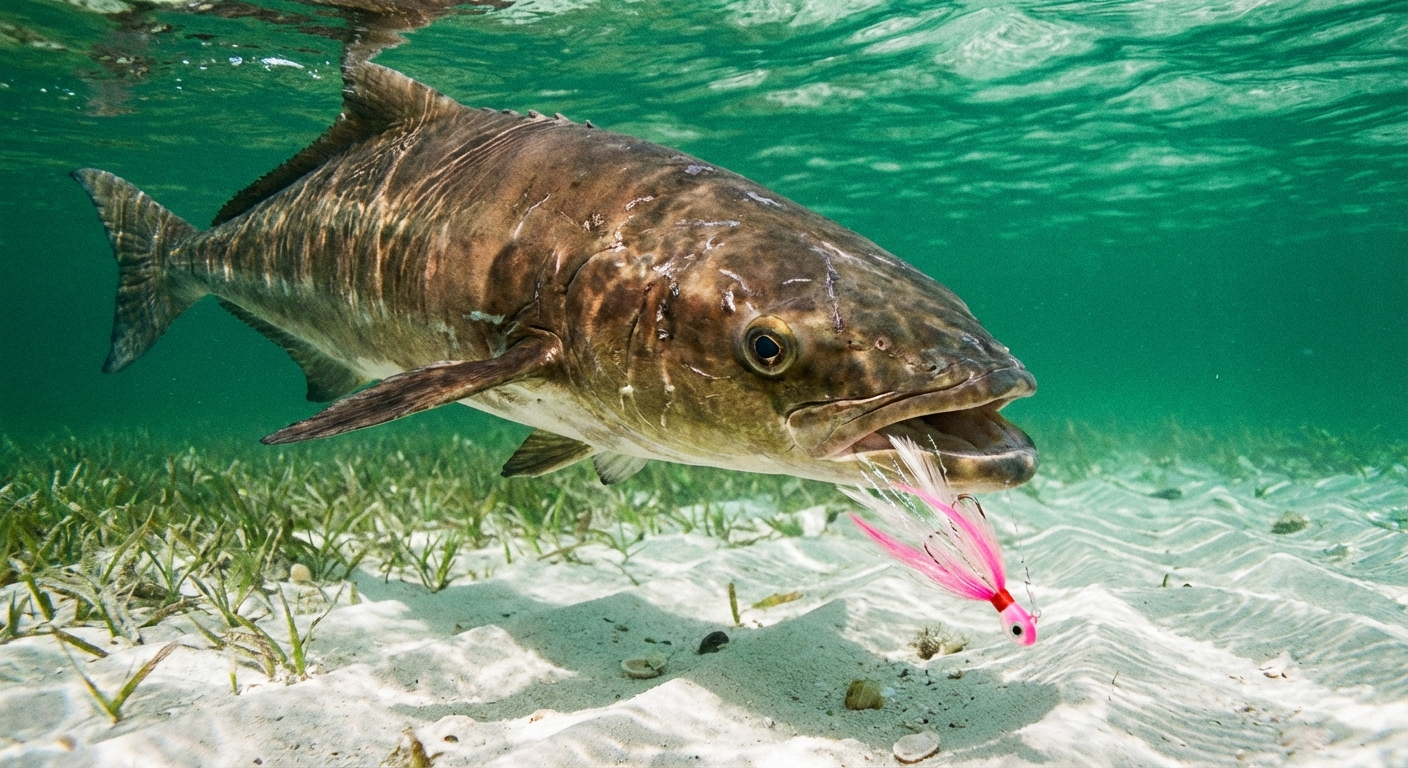
The arrival of spring along the Florida Panhandle awakens more than just the beach-going crowds. For anglers, the warming emerald waters signal the start of one of the most anticipated events of the year: the annual cobia migration. Panama City, with its clear waters and abundant structure, becomes a premier battleground for sight-casting to these powerful, curious fish. While many methods can tempt a cobia, few offer the raw, visual excitement of watching one charge and inhale a well-placed bucktail jig. This is a game of precision, patience, and pure adrenaline.
Success in this fishery is not about blind luck. It is about preparation and the ability to execute a perfect presentation in a fleeting moment. From spotting the tell-tale brown shadow moving across a sandbar to making the pinpoint cast that turns a follower into a fighter, every detail matters. This guide delves into the essential mechanics of sight-casting with bucktails, providing a blueprint for intercepting these formidable predators as they journey along the coast.
Gearing Up for a Visual Brawl
Your equipment is the critical link between you and the fish. Sight-casting for cobia demands a setup that can deliver long, accurate casts while also possessing the backbone to subdue a fish known for its stamina and brutal, boat-side runs.
**Rod:** A 7 to 7.5-foot spinning rod with a heavy power rating and a fast action tip is ideal. This length provides the leverage needed for casting distance, while the fast action allows you to load the rod quickly for a sudden cast and provides the sensitivity to feel the jig. The heavy power ensures you have the strength to turn a fish's head and keep it away from structure.
**Reel:** A high-quality 6000 or 8000-series spinning reel is the perfect match. Look for a model with a smooth, sealed drag system capable of handling the blistering runs of a large cobia. A high gear ratio helps you pick up slack line quickly, which is crucial when a fish suddenly turns and runs toward the boat.
**Line and Leader:** Spool your reel with 50-pound braided line. Braid offers superior casting distance, minimal stretch for a solid hookset, and excellent sensitivity. Connect this mainline to a 4 to 5-foot section of 60-pound fluorocarbon leader using a reliable knot like a Double Uni or an FG knot. Fluorocarbon is nearly invisible underwater and offers superior abrasion resistance, which is vital when a fish dives for structure.
**The Bucktail Jig:** The bucktail is a timeless classic for a reason. Its pulsating deer hair creates an irresistible profile in the water. For the Panama City fishery, stock your box with jigs in the 2 to 3-ounce range. This weight allows for long casts and a quick sink rate to get into the fish's line of sight. Color selection can vary, but combinations of white, chartreuse, pink, and brown are consistently effective. Ensure your jigs are built on strong, sharp hooks capable of penetrating a cobia's tough mouth.
The Tactical Approach: Three Key Scenarios
Spotting the fish is only half the battle. Your approach and presentation must adapt to the specific situation. Here are three common scenarios you will encounter and the tactics required to capitalize on them.
Scenario 1: Riding with Rays
One of the most classic sights during the migration is a cobia shadowing a large manta ray or stingray. The cobia uses the ray as a moving piece of cover, waiting for it to stir up crabs and baitfish from the seafloor.
When you spot this pairing, your approach must be calculated. Run your boat parallel to the ray's path, staying far enough away to avoid spooking it. Position the boat ahead of the ray to set up an interception point. The ideal cast lands the bucktail jig several feet in front of the ray, allowing it to sink into the cobia's field of vision. Do not cast directly on top of the cobia or the ray, as the splash will likely send them both fleeing. As the jig sinks, give it a few sharp twitches of the rod tip. This pulsating action often triggers an immediate, aggressive strike.
Scenario 2: Working the Navigational Markers
Channel markers, buoys, and other fixed structures are magnets for baitfish and, consequently, for cobia. These fish will often use the structure as an ambush point, holding in the current and waiting for a meal to drift by.
Approaching a marker requires a stealthy approach. Use your trolling motor to position the boat up-current from the structure. This allows you to drift your jig back towards the marker in a natural presentation. Cast the bucktail well past the marker and let it sink. As it drifts closer, use a lift-and-drop retrieve. Sweep the rod tip up to make the jig jump off the bottom, then let it fall on a semi-slack line. Cobia often strike on the fall, so be prepared for a sudden "thump" or a quick tightening of the line.
Scenario 3: The Open-Water Cruiser
Spotting a free-swimming cobia, or a small pack of them, cruising just below the surface is a common and exciting sight. These fish are actively hunting and covering ground, making the approach critical.
The key is to anticipate their travel path and lead them significantly. A cast that lands too close will spook them every time. Aim for a cast that places your jig 10 to 15 feet in front of and a few feet past the lead fish. This gives the jig time to sink slightly and allows you to begin your retrieve just as the fish approaches. A fast, steady retrieve that keeps the bucktail a few feet under the surface is often deadly in this situation. The goal is to create the illusion of a fleeing baitfish, triggering the cobia's predatory instinct to chase and attack.
Common Mistakes to Avoid
Many anglers get the opportunity but fail to connect due to simple, avoidable errors.
* **The Wrong Angle:** Approaching a fish from behind is a common mistake. Always try to position the boat for a perpendicular or head-on cast. * **A Loud Approach:** Slamming hatches, dropping items on the deck, or running the outboard too close will alert the fish to your presence long before you see them. * **Casting Over the Fish:** Never let your line pass over the cobia's back. This is unnatural and will often spook even an aggressive fish. Always cast in front of and beyond the fish. * **Poor Hookset:** Do not simply reel tight. When a cobia eats the jig, point the rod tip at the fish, reel up any slack, and deliver a firm, powerful hookset to drive the hook home. * **Giving Slack:** Never give a cobia slack line. Keep constant pressure on the fish throughout the fight to prevent it from shaking the hook.
Safety and Regulations: Fish Responsibly
Safety on the water should always be your top priority. Ensure your boat's safety equipment is up to date, and always wear a personal flotation device. Be mindful of boat traffic, especially in busy channels. When you land a cobia, handle it with care. These are powerful fish that can cause serious injury if brought aboard while still green.
Fisheries regulations are subject to change. Size limits, bag limits, and season dates for cobia can be adjusted by wildlife officials based on stock assessments. Before you head out, it is your responsibility to verify the current regulations. Use the Fish Rules app or check the official Florida Fish and Wildlife Conservation Commission (FWC) website for the most up-to-date information.
Finally, if you are fishing with a charter captain, their word is final. They spend hundreds of days on the water and have an intimate understanding of the local conditions and regulations. Trust their judgment for a safe, legal, and successful trip.