A Premier Mississippi Gulf Coast Destination
Just twelve miles south of Petit Bois Island, resting in about sixty feet of water, lies the Tortuga shipwreck. For Mississippi Gulf Coast anglers, this artificial reef is a legendary destination for targeting one of the Gulf's most prized fish: the American red snapper. The structure of the former vessel creates an ideal habitat, attracting large schools of these hard-fighting and excellent-tasting fish. A trip to the Tortuga offers a classic reef fishing experience, demanding the right gear, a straightforward technique, and an understanding of the underwater environment.
Before it became a fish haven, the Tortuga had a significant history in Gulf exploration. The vessel was owned by the Walker family and leased to Western Geotechnical, serving as an offshore oil exploration ship that contributed to the region's energy industry. After its service, it was intentionally sunk as part of the state's artificial reef program. This act transformed it from a tool of industry into a vibrant marine ecosystem, ensuring its legacy continues to support the coastal community, this time as a premier fishing location.
Essential Gear for Wreck Fishing
Success at the Tortuga begins with the right equipment. The depth and potential for large, powerful fish demand heavy-duty tackle. A stout 6-foot-6-inch to 7-foot boat rod with a strong backbone is essential for pulling big snapper away from the wreck's entangling structure.
Pair this rod with a robust reel. A conventional reel in the 4/0 to 6/0 class is a popular choice, offering significant line capacity and cranking power. A high-capacity open-face spinning reel can also be effective, provided it is built for saltwater duty. Spool your reel with a 60 to 80-pound test braided main line. The thin diameter of braid cuts through the current, allowing for better contact with the bottom, and its non-stretch quality provides excellent bite detection and hook-setting power.
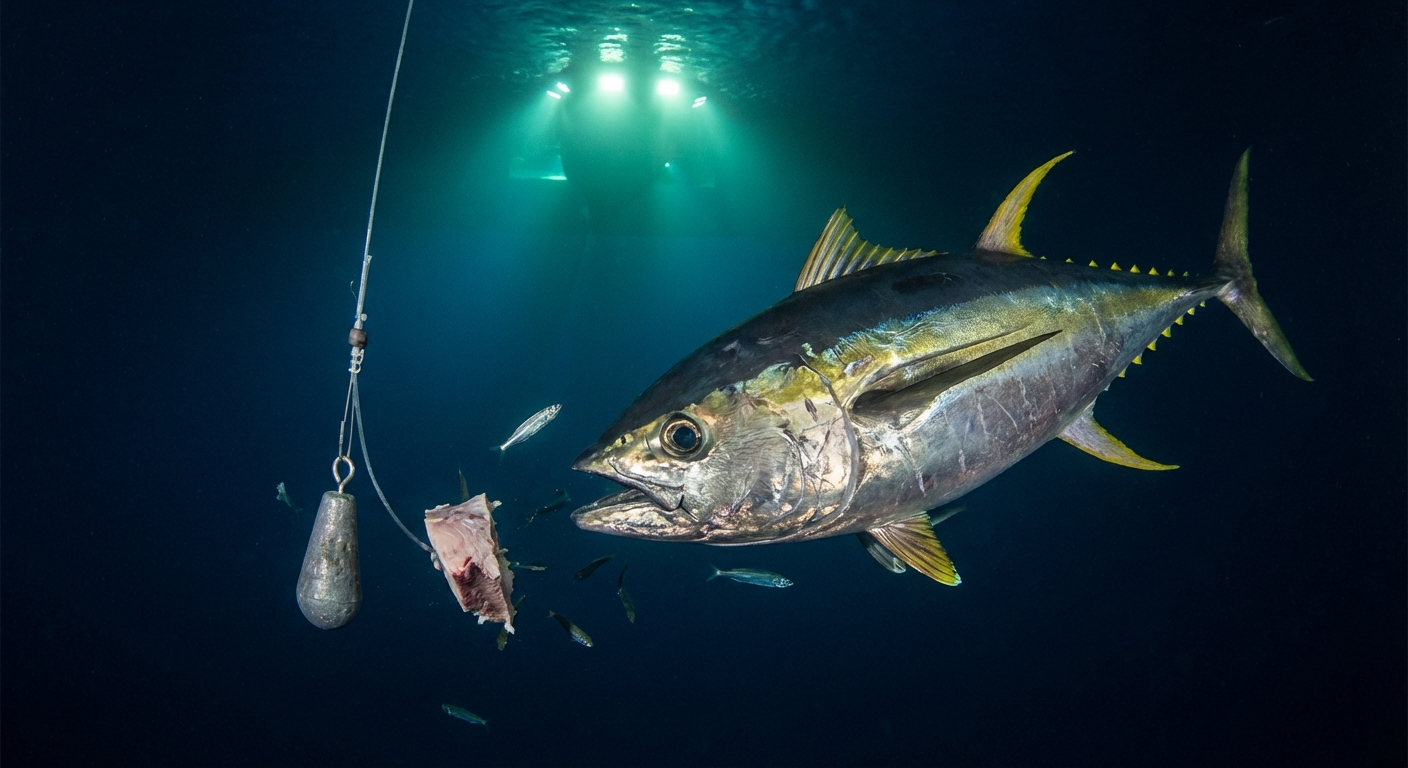
Your terminal tackle is just as important. A 4 to 6-foot section of 60 to 80-pound fluorocarbon leader is recommended for its abrasion resistance and low visibility. The business end should feature a 7/0 to 9/0 circle hook, which ensures a solid hookset in the corner of the fish's mouth, reducing gut-hooking and aiding in the safe release of undersized fish. Depending on the current, you will need lead weights ranging from 8 to 16 ounces to hold the bottom effectively.
The Strategic Approach: Anchoring vs. Drifting
Positioning your boat over the wreck is critical. The two primary methods are anchoring or drifting. While drifting allows you to cover more ground to find scattered fish, anchoring is often the preferred method for fishing a specific structure like the Tortuga. A successful anchor drop places the boat directly over or slightly up-current from the wreck, allowing baits to be presented precisely where the fish are holding.
This decision ultimately rests with the captain. Experienced local charter captains are masters at reading the conditions. They will analyze the sonar to locate fish, factoring in the day's wind and current to determine the best boat position. Their expertise in setting up on a spot is invaluable and should guide the day's strategy.
Bait, Rigs, and Getting to the Bottom
Red snapper are not particularly picky eaters, but some baits are more effective than others. Large chunks of cut bait, such as pinfish, northern mackerel, or bonita, are excellent choices. Their scent disperses well in the water, attracting fish from all around the wreck. Whole squid or large shrimp can also be very productive.
The most common and effective rig is a simple Carolina rig. Slide your egg sinker onto the main line, followed by a bead to protect the knot. Then, tie on a heavy-duty barrel swivel connecting your main line to your fluorocarbon leader and hook. This setup allows the bait to move naturally near the bottom.
The primary challenge at the Tortuga is often not getting the snapper to bite, but getting your bait down to them. The upper and middle parts of the water column are frequently swarming with smaller, aggressive fish like triggerfish and spadefish. These bait stealers are notorious for stripping hooks before a bait can reach the target snapper zone near the seabed.
To overcome this, a rapid, vertical descent is key. Use enough weight to get your rig down quickly. Free-spool your line and let it drop straight down without any pause. Keep your thumb on the spool to feel for the "thump" of the lead hitting the bottom. Once you feel it, immediately engage the reel and turn the handle a few times to lift your bait just off the bottom. This prevents your rig from snagging on the wreck itself while keeping your offering directly in the strike zone. Staying in near-vertical contact with your lead is the most important part of the technique.
Common Mistakes and How to Avoid Them
Even with the right gear, a few common errors can lead to a frustrating day.
1. **Not Enough Weight:** The most frequent mistake is using too little weight. If the current is strong, a light weight will be swept away from the wreck, placing your bait far from the target zone. Always use enough lead to maintain a vertical line. 2. **Ignoring Bycatch:** While red snapper is the target, the Tortuga is home to other species. You may encounter mangrove snapper, vermilion snapper, king mackerel, and cobia. Be prepared for different types of fights and be able to identify your catch correctly. 3. **Poor Bite Detection:** Anglers must stay in constant contact with their rig. Pay close attention to the line and rod tip. A red snapper bite is often a distinct "thump" or a series of sharp tugs. Be ready to start reeling steadily when you feel the bite to allow the circle hook to do its work.
Safety and Regulatory Compliance
Before heading out, all anglers must be familiar with current fishing regulations. Red snapper seasons, size limits, and bag limits are subject to change and are strictly enforced by state and federal agencies. Check the latest rules from the Mississippi Department of Marine Resources and NOAA Fisheries.
Offshore safety is paramount. Ensure your vessel has all required safety equipment, including personal flotation devices, flares, and a reliable marine radio. File a float plan with someone ashore so they know your intended route and return time.
Fishing the Tortuga wreck is a rewarding experience that connects anglers to the rich marine environment of the Mississippi Gulf Coast. By using the right approach and respecting the resource, you can enjoy a successful day of bottom fishing and appreciate the unique history of this productive artificial reef.